
9. Water Clocks: Telling Time After the Sun Went Down
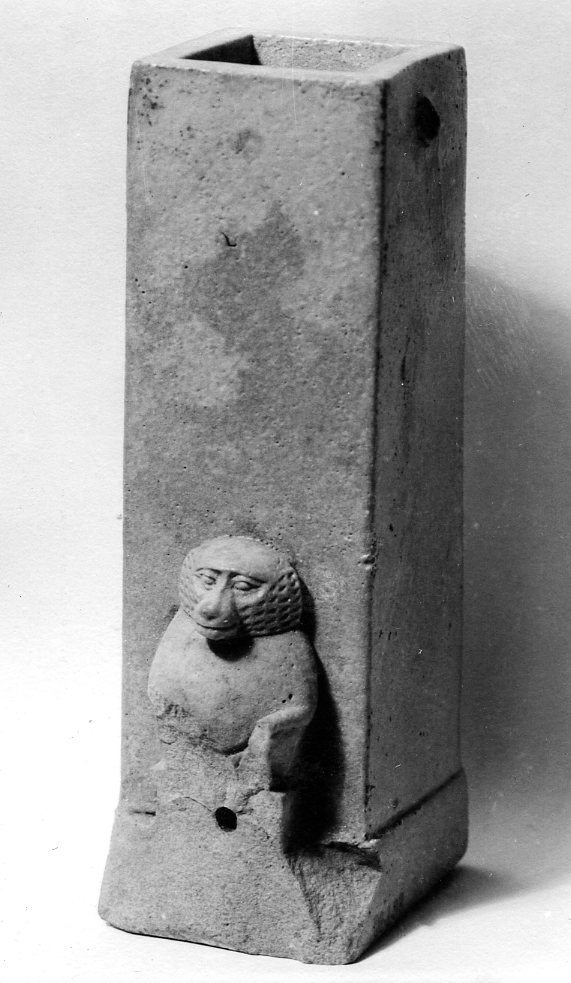
A sundial has an obvious weakness: it needs the Sun. Water clocks offered another way to measure passing time, including the hours of darkness.
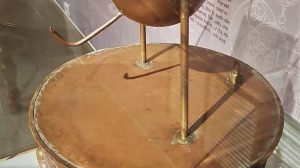
In a simple design, water drained from a vessel through a small opening, and markings indicated the changing level. Other versions measured water flowing into a container. The underlying idea was to turn a gradual physical change into a readable scale.
Making that change sufficiently regular was the hard part. Flow varies with water pressure, so clockmakers experimented with shapes and arrangements that improved consistency. More elaborate ancient devices eventually incorporated moving indicators and displays. Water clocks were not as precise as a modern watch, but they reveal the essential problem behind all timekeeping: finding a repeatable process and counting it. Long before quartz crystals, a carefully managed trickle could help organize the day.







Add Comment