
10. Roman Aqueducts: Huge Structures Built for a Gentle Slope
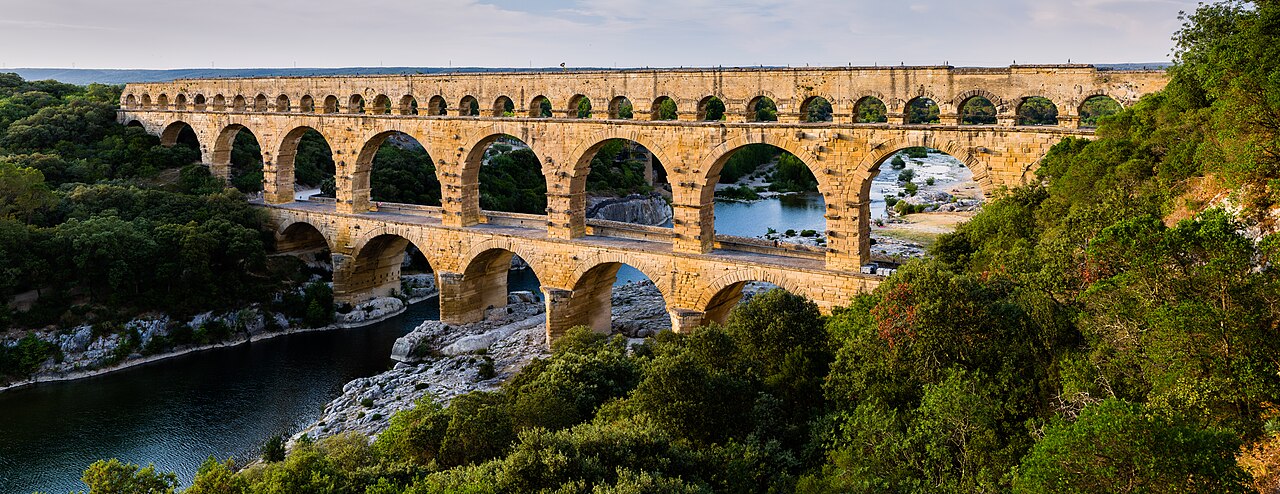
The towering arches get all the attention. The quiet achievement of an aqueduct is the carefully controlled route that lets water reach its destination.
Roman engineers carried water across difficult landscapes using channels, tunnels, and bridges. The Pont du Gard in southern France was part of an aqueduct roughly 50 kilometers long supplying Nîmes. Its three tiers of arches carried the water channel across the Gardon valley.
The point was not to make water rush down a spectacular waterfall. It was to preserve a useful gradient across a long journey, overcoming obstacles without losing the height needed farther along. Romans did not invent the general idea of carrying water through aqueducts, but their surviving works show extraordinary skill in applying it at scale. From a distance, the Pont du Gard looks like a monument to stonework. It is also a monument to surveying, calculation, and patient control of gravity.









Add Comment