
8. The Elevator Operator: Making Every Stop Line Up
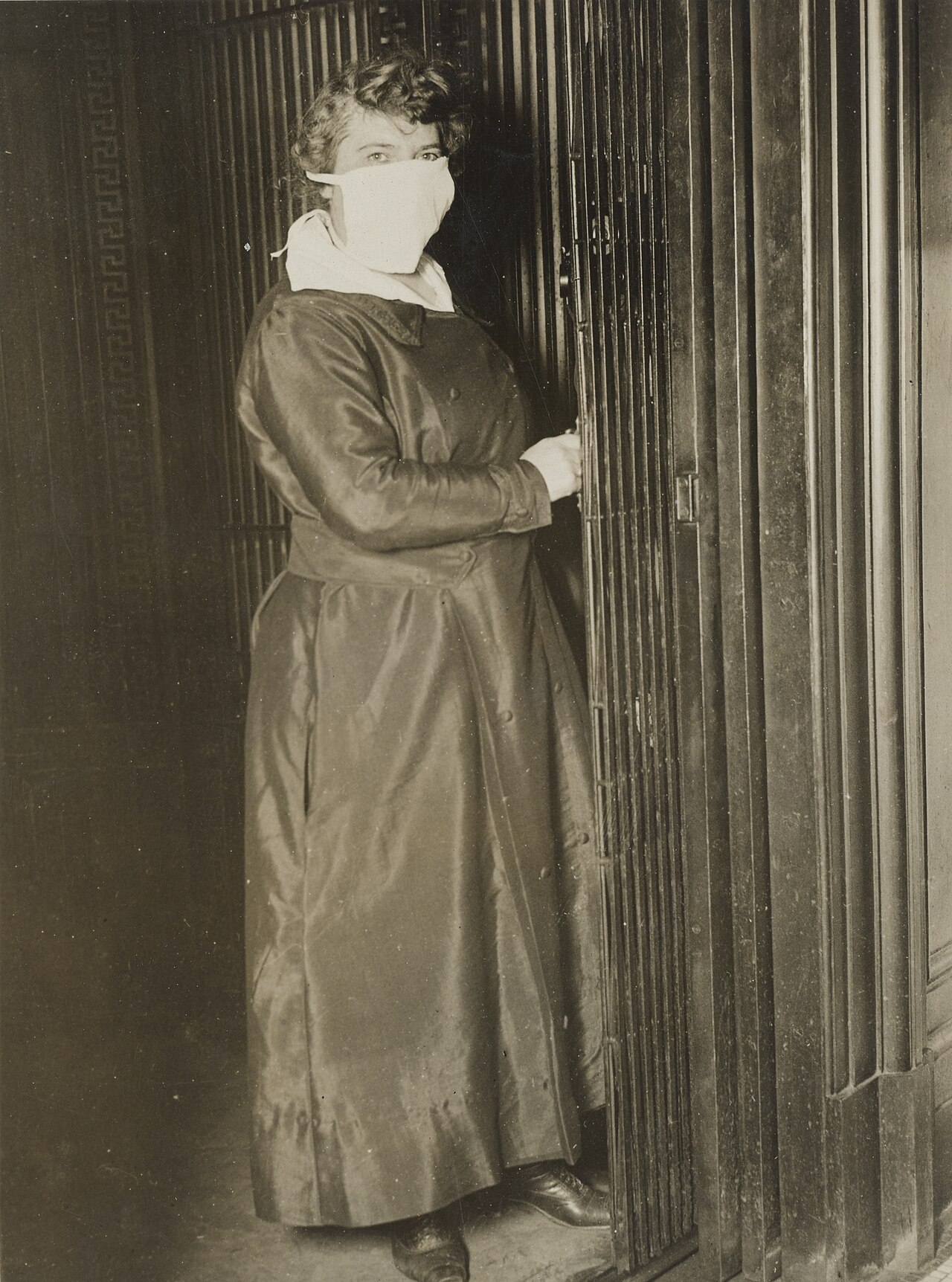
Stepping into an elevator once meant placing your journey in the hands of an attendant. In a manually controlled car, the operator managed movement with a handle and brought passengers to the floor they requested.
The difficult part was making the stop smooth and accurate. The car’s floor had to line up with the landing. The Museum of American Heritage describes how a practiced operator could do this in one fluid movement, while a less experienced one might move up and down trying to find the right level. Automatic leveling removed a small but demanding performance from the passenger’s day.
Operators could also manage the social rules of a building. At the U.S. Capitol, historical accounts describe elaborate priorities governing who received service first. The job mixed machinery, customer service and authority. Pushbuttons eventually made an attendant unnecessary in many buildings, but the earlier role helps explain why an elevator was once treated more like a chauffeured vehicle than an appliance.








Add Comment