
7. The Log Driver: Keeping a River of Timber Moving
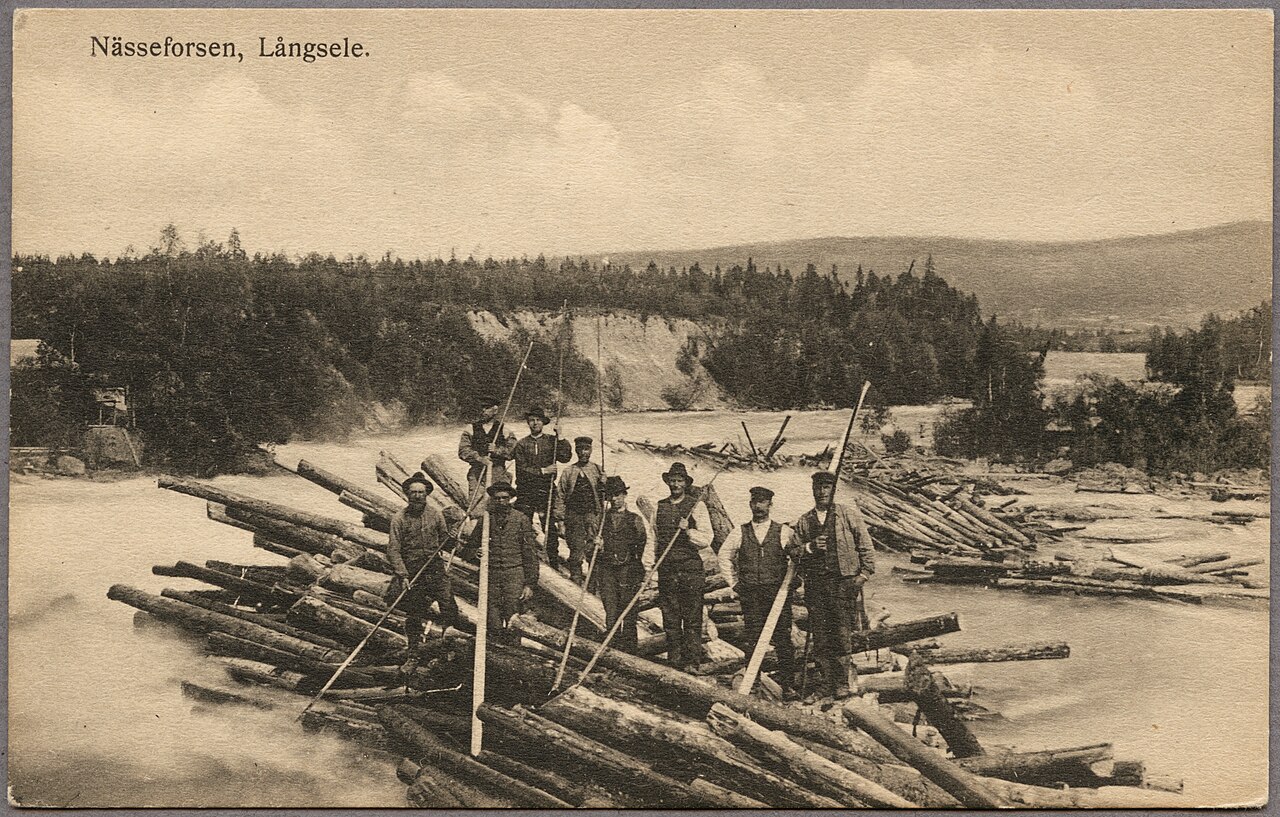
A river could serve as a transport route for the forest itself. Logging companies floated cut timber downstream toward mills, and log drivers worked to keep that moving cargo from becoming an enormous wooden traffic jam.
The drivers guided logs through channels and dealt with obstructions. It demanded balance, judgment and a willingness to work close to unpredictable movement. A jam could hold great quantities of timber together under pressure; trying to free it exposed workers to falling, crushing and drowning. The dramatic photographs are impressive partly because the danger was real.
Support traveled with the crews, too. Floating supply rafts and cookhouses called wanigans helped keep drivers fed and equipped. Railroads and trucks gradually changed timber transport, but river driving survived much later than a nineteenth-century image might suggest. The Forest History Society records that the Clearwater River drives in Idaho continued until 1971. This was industrial logistics performed on water, with workers continually correcting what the current could not manage.










Add Comment