
9. The Linotype Operator: Turning Words Into Metal
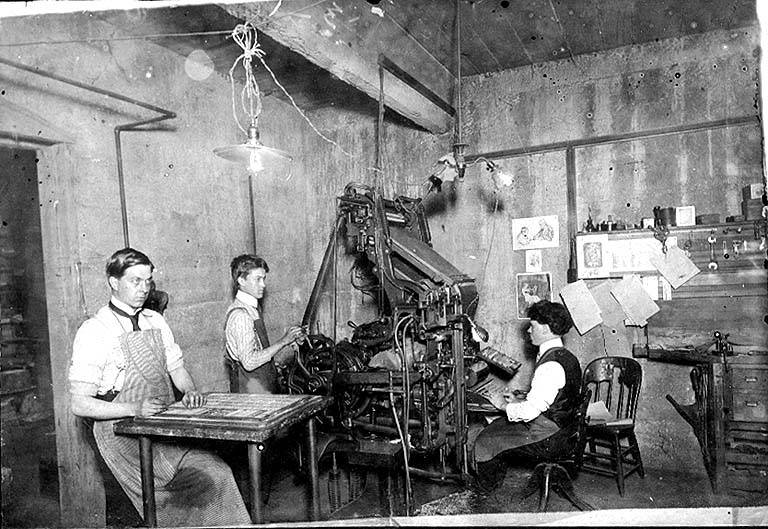
A Linotype operator could sit at a keyboard and produce something much heavier than text on a screen. The machine cast complete lines of printing type as metal bars, known as slugs, ready to be used in printing.
Typing released small brass molds called matrices, which assembled into a line. Molten type metal then formed the printing surface. The matrices returned to the machine for reuse. The operator transformed handwritten or typed copy into physical material that printers could arrange into pages, combining literacy, speed and familiarity with a complicated mechanism.
Training mattered enough that specialist schools offered hands-on instruction. Operators were judged partly on how much accurately set material they could produce. The technology accelerated newspaper and book production, but it also created a distinct skilled occupation of its own. It is a useful twist in the history of automation: a machine that replaced some hand-setting work still needed a trained person at the controls. Progress created a new job while changing an older one.








Add Comment