
6. The Breaker Boy: Sorting Coal by Hand
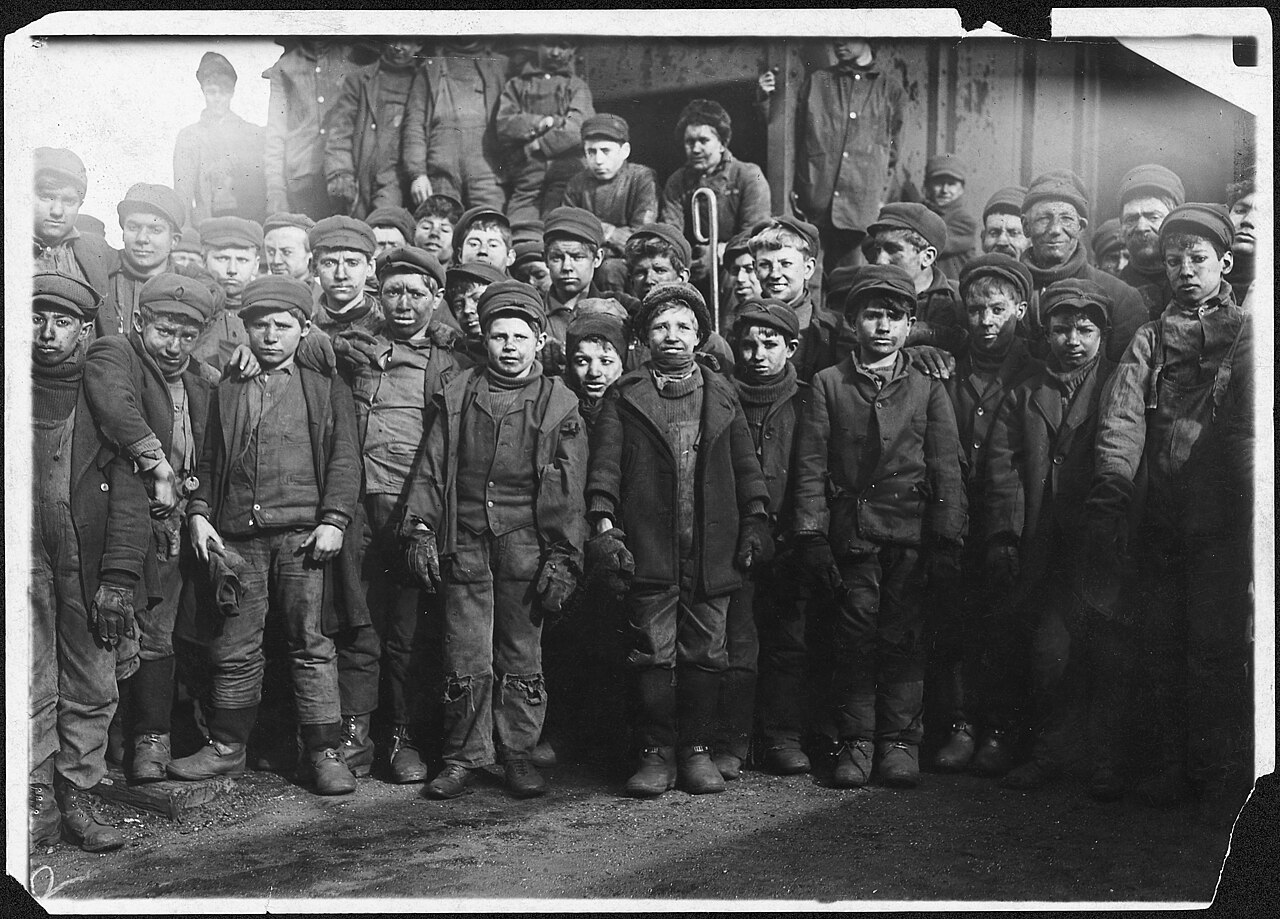
Coal powered factories and warmed homes, but preparing it for sale could involve children sitting beside moving streams of dirty rock. Breaker boys picked out slate and other unwanted material as coal passed through the processing building.
In January 1911, Lewis Hine photographed workers at the Ewen Breaker in South Pittston, Pennsylvania. His accompanying notes described dust thick enough to obscure the view. The photographs and captions were part of a broader effort to document child labor and make conditions visible to people who rarely saw the workplace.
The name can mislead: the boys’ central task was sorting material after machinery had broken and graded it, rather than simply smashing lumps with hammers. This was repetitive work in an unhealthy environment, not a picturesque apprenticeship. Hine’s images show why a history of disappearing occupations cannot be only nostalgic. Some jobs reveal the heavy human cost hidden inside the cheap, everyday supplies on which an industrial society depended.







Add Comment