
5. Uluburun: A Bronze Age Shipping Network in One Cargo
A sponge diver’s discovery near Turkey’s southern coast in 1982 opened a window onto international commerce more than 3,000 years ago. The Uluburun ship sank in the late fourteenth century BCE, carrying a cargo whose variety still makes the ancient Mediterranean feel unexpectedly connected.
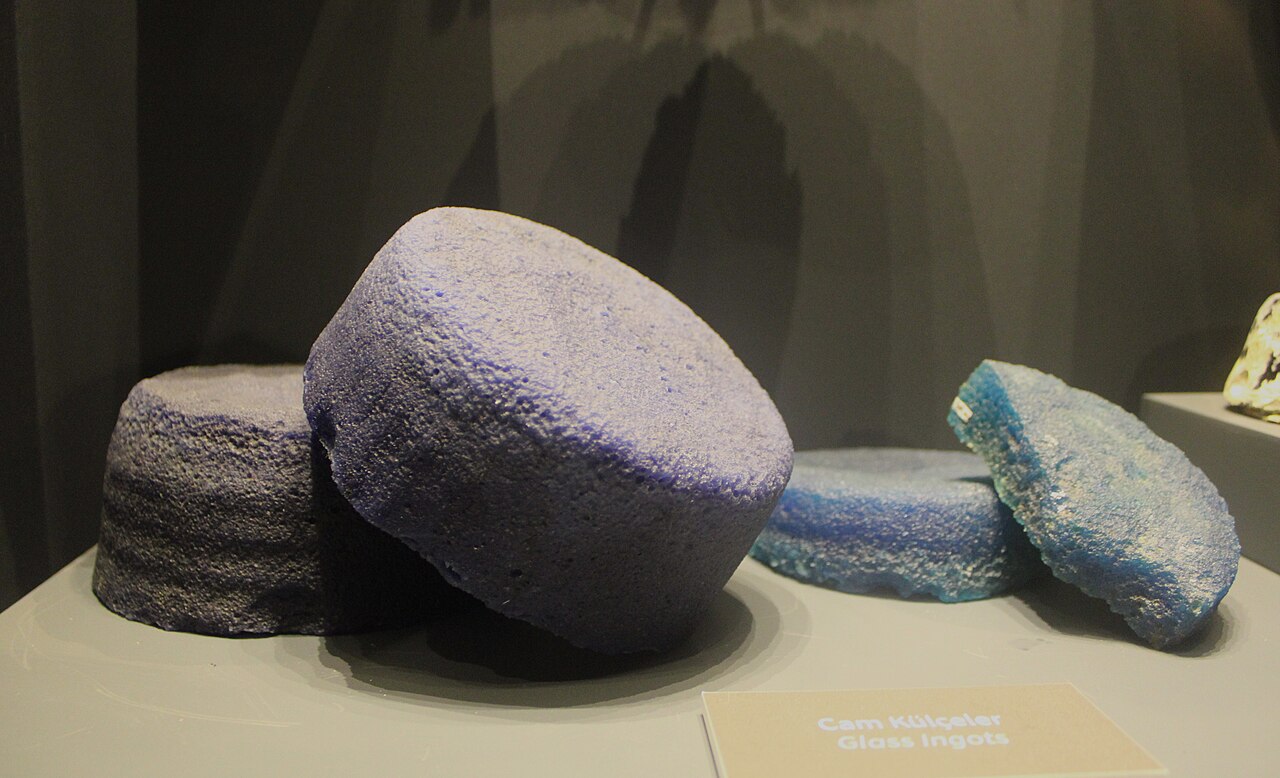
Copper and tin, the essential ingredients of bronze, traveled alongside glass ingots, ivory, jewelry and pottery. The colored lumps pictured here are recovered glass ingots, raw material awaiting transformation rather than finished ornaments. They make a practical point: long-distance trade supplied workshops as well as wealthy buyers.
Excavating the site took eleven seasons, from 1984 through 1994, and more than 22,000 dives. Only a small portion of the hull survived, so the cargo does much of the storytelling. Its international character is clear, but the ship’s precise itinerary and the identities of everyone aboard are harder to establish. The evidence reveals a trading world without giving us a complete passenger list or shipping manifest.










Add Comment