
4. The Hypocaust: Heated Floors in the Roman World
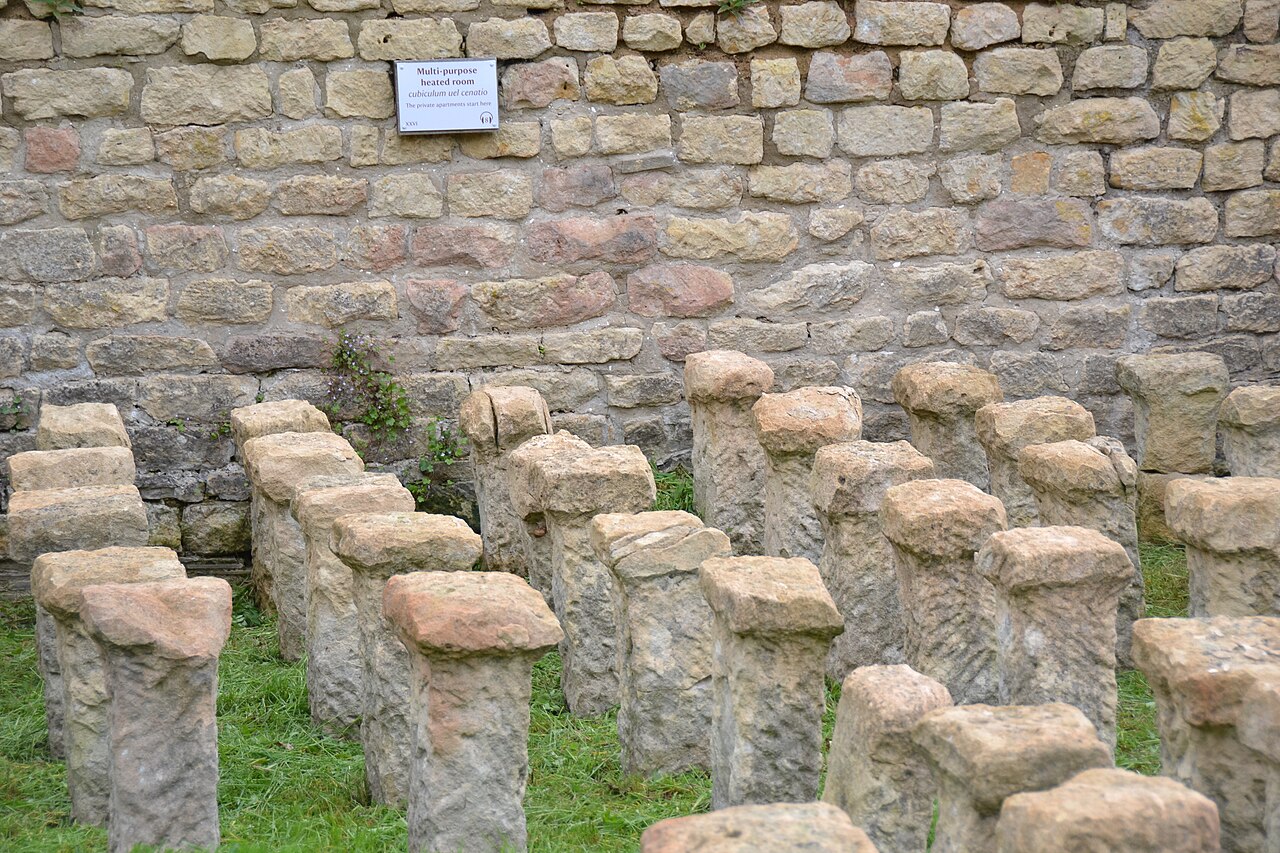
A warm floor sounds like a modern bathroom upgrade. Wealthy Romans and visitors to Roman bathhouses could enjoy a version of that luxury roughly two millennia ago.
The system was called a hypocaust. Builders raised a room’s floor above a cavity, often resting it on stacks of tiles. A furnace sent hot gases into the space beneath, while flues could carry heat up through the walls before venting outside. The building itself became part of the heating system.
This took planning: rooms closer to the furnace received more heat, and the floor had to remain supported above a hot, smoky void. It also required fuel and people to keep the furnace working. Some bathhouse floors became hot enough that protective footwear was useful. The surviving rows of little pillars in Roman ruins are therefore more than mysterious brickwork. They are the exposed machinery of ancient comfort.











Add Comment